How Austrian Licensing Shapes Live Dealer Mechanics and Bonus Integration in Mobile Roulette Play
Harper Günther · Aug 22, 2026
How Austrian Licensing Shapes Live Dealer Mechanics and Bonus Integration in Mobile Roulette Play
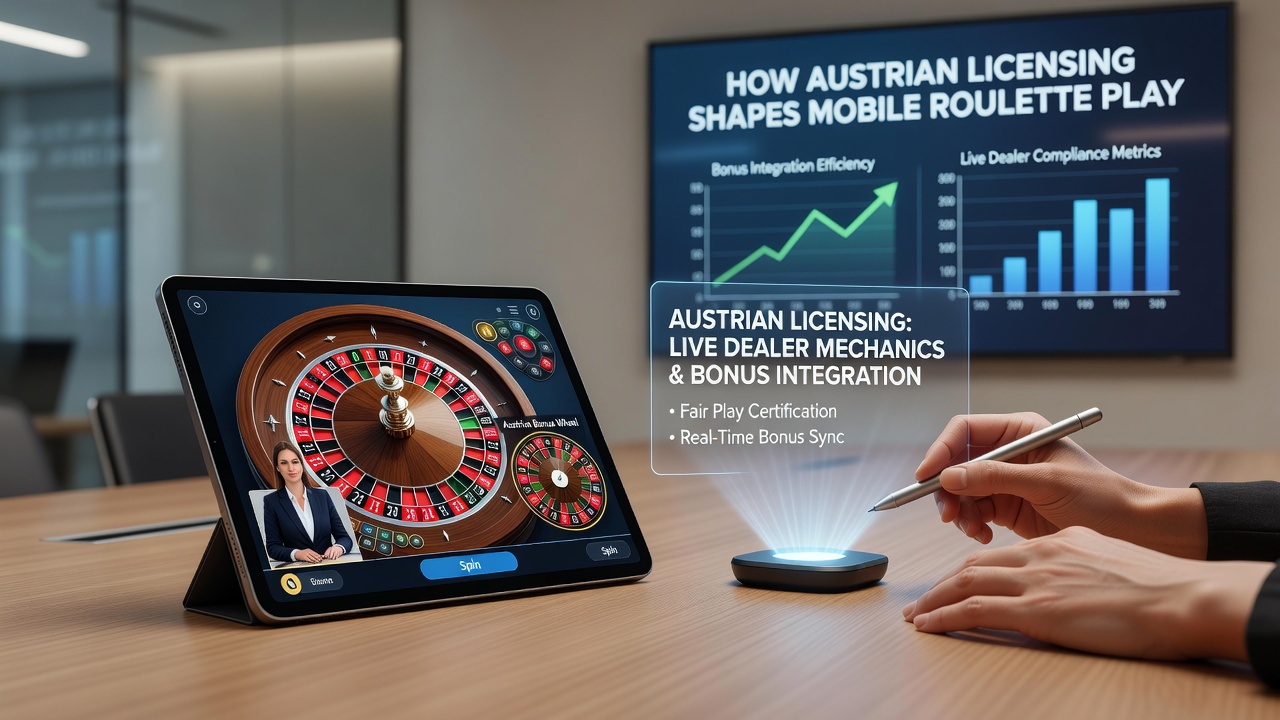
Austrian licensing requirements under the Glücksspielgesetz framework establish strict parameters for live dealer operations and mobile bonus structures in roulette games, and operators must align their platforms accordingly as of August 2026 when updated technical standards take effect. These rules govern everything from camera setups and dealer protocols to the way promotional credits apply across sessions on smartphones and tablets.
Regulatory Foundations and Their Direct Impact
The Austrian Ministry of Finance oversees licensing through a centralized process that demands detailed documentation of game mechanics before any mobile roulette product reaches players. Data from regulatory filings shows that approved licenses require real-time monitoring systems capable of logging every spin and bet, which directly influences how live dealer streams integrate with mobile interfaces. Operators integrate secure APIs that sync video feeds with betting engines so that session data remains traceable and compliant at all times.
Live Dealer Mechanics Under Licensing Scrutiny
Live dealer roulette tables operating under Austrian licenses must employ certified random number generators alongside physical wheel mechanisms to verify outcomes, and this dual-layer approach extends to mobile delivery where latency controls prevent any mismatch between the streamed result and the recorded bet. Studies conducted by European gaming research institutions indicate that latency thresholds sit below 200 milliseconds for licensed platforms, forcing developers to optimize video compression and mobile network handling. Dealers follow scripted procedures that include visible card shuffles and wheel spins recorded from multiple angles, while software overlays display running totals that update instantly on player devices.
Those who manage licensed operations often note that mobile-specific adjustments include touch-optimized betting grids and automatic stake reminders that align with responsible gaming mandates embedded in the license terms. Equipment audits occur quarterly, and findings reveal consistent enforcement of minimum camera resolution standards that ensure players receive clear visuals regardless of connection quality.
Bonus Integration Rules and Mobile Implementation
Bonus structures in Austrian-licensed mobile roulette receive approval only after operators demonstrate clear separation between promotional funds and real-money balances, with wagering requirements calculated on a per-game basis. Figures released by industry monitoring groups show average playthrough multiples range from 20x to 35x for roulette bonuses, and these figures must appear in plain language within mobile app interfaces before any deposit activates the offer. Systems track bonus progress through dedicated ledgers that update after each spin, preventing players from exceeding capped winnings tied to the promotion.
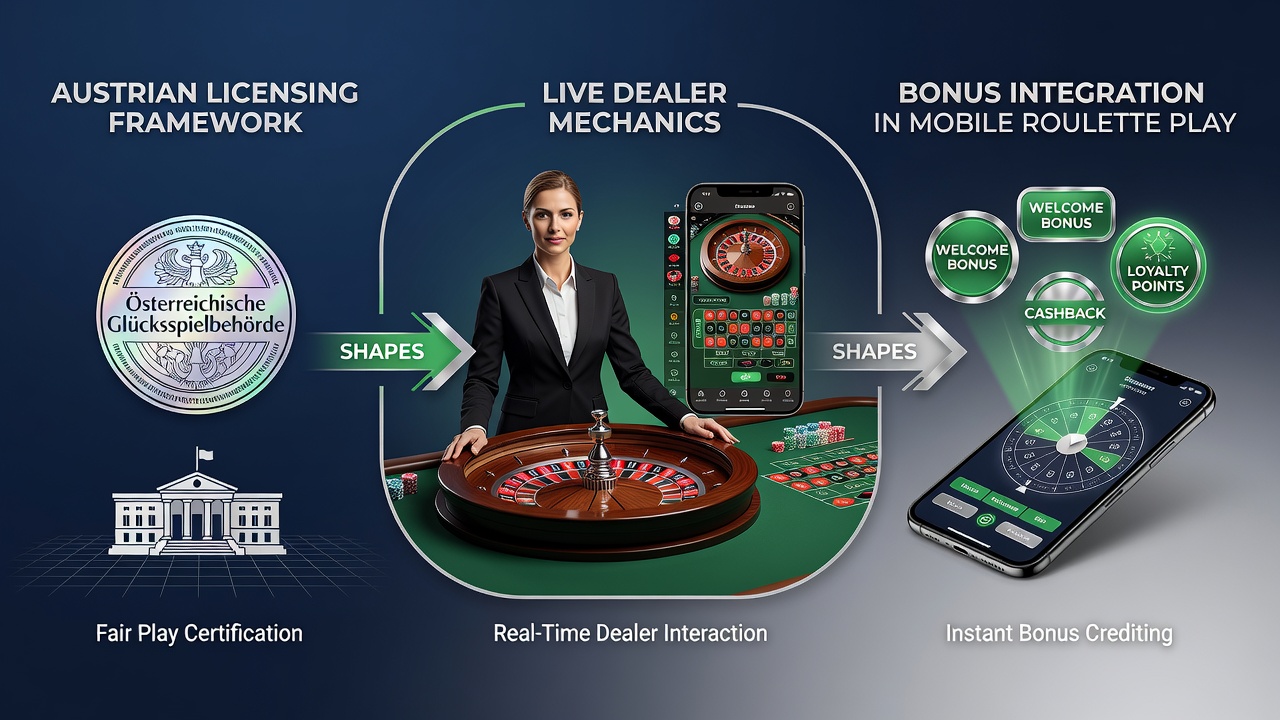
Integration extends to time limits and game-type restrictions that Austrian authorities enforce uniformly across platforms. Research from academic papers published in gaming technology journals demonstrates that mobile apps under these licenses automatically disable bonus-eligible bets when players switch to unauthorized game modes, a safeguard built directly into the client software. Payment gateways link bonus balances to verified accounts, and withdrawal requests trigger automated compliance checks that cross-reference license conditions before processing completes.
Technical Standards and Cross-Device Consistency
Licensed providers must maintain identical game logic across desktop and mobile environments, yet mobile versions incorporate additional geolocation checks and session timeouts that Austrian regulations mandate for player protection. Observers note that these checks run continuously during live dealer sessions, pausing play if the device leaves approved jurisdictions. Data encryption protocols follow ISO standards referenced in license applications, and annual penetration tests confirm that mobile data streams remain secure during high-traffic periods.
One documented case involved an operator adjusting its bonus engine after an audit revealed inconsistent application of free-spin multipliers on tablets versus phones. The correction brought both platforms into alignment with the single set of rules stipulated in the original license documentation. Such adjustments illustrate how licensing shapes ongoing development cycles rather than serving as a one-time approval hurdle.
Future Adjustments Anticipated by August 2026
Regulatory updates scheduled for August 2026 introduce enhanced reporting on mobile session durations and bonus redemption rates, requiring operators to submit aggregated statistics that reflect real player behavior. These changes build on existing frameworks without altering core live dealer mechanics, though they do demand refined dashboard tools that display compliance metrics in real time. Industry associations across the EU have published guidance documents that help operators prepare data pipelines ahead of the deadline.
Conclusion
Austrian licensing continues to define precise boundaries for live dealer mechanics and bonus integration in mobile roulette through technical mandates, audit cycles, and data transparency requirements. Operators adapt their systems to meet these conditions while maintaining functional gameplay across devices. As the August 2026 standards approach, platforms already incorporate the necessary tracking and verification features that keep both live streams and promotional offers within approved parameters.